
Company Overview
About UJASTOR
We develop lithium battery packs and residential storage for installers, distributors and private-label partners.
Company introduction
Meet UJASTOR.
Shandong Yujiaxingchu Low Carbon Technology Co., Ltd. develops and manufactures lithium battery packs and energy storage systems under the UJASTOR brand.
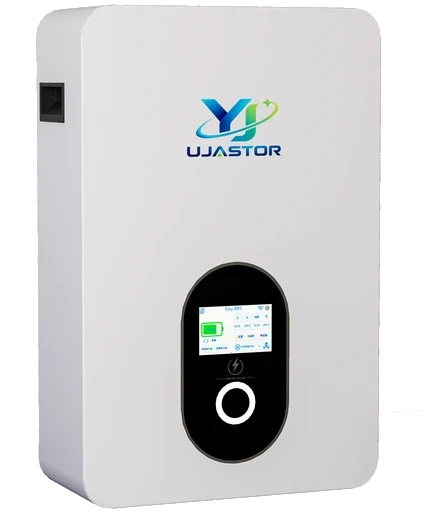
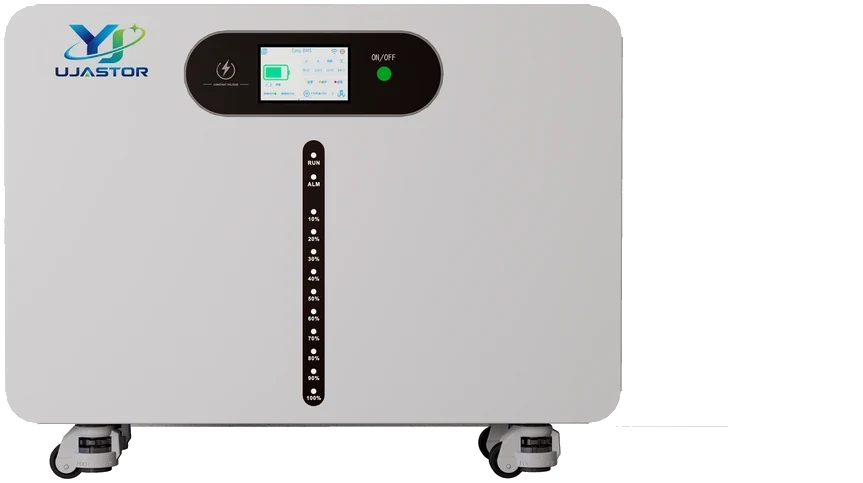
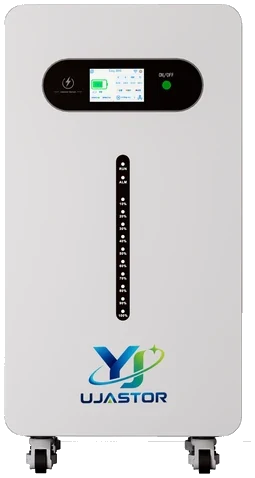
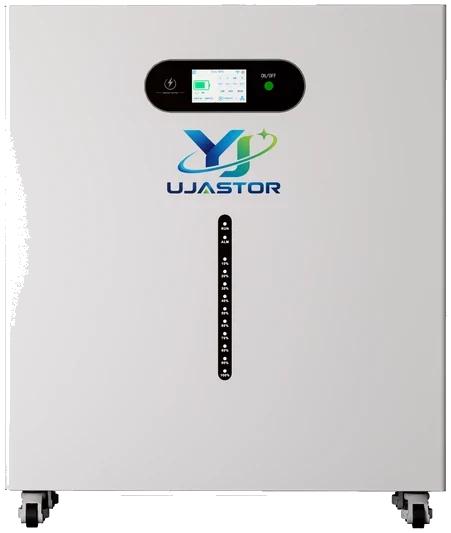
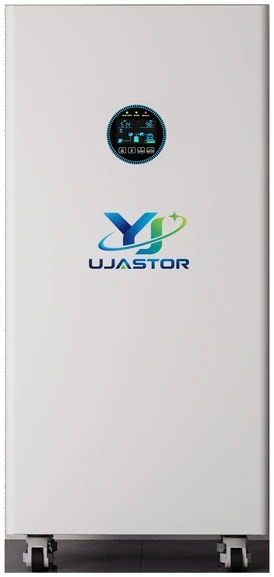
Our residential range includes 51.2 V LiFePO₄ battery cabinets for systems with a compatible inverter, plus a model that combines the battery and inverter in one cabinet. These products serve home solar, backup power and off-grid projects.
We work with installers, distributors and private-label partners on model selection, samples, cabinet branding and installation support. Our focus markets include Europe, Southeast Asia and the Middle East.
Manufacturing
From pack development to product review.

Engineering and assembly
Our manufacturing work brings pack development, battery management and product testing into the same project conversation.
Mechanical design, integration and battery management.
Incoming inspection and finished-product checks.
Configuration review and sample evaluation.
Residential storage as a starting point
Shandong Yujiaxingchu Low Carbon Technology Co., Ltd. develops and manufactures lithium battery packs and integrated energy storage systems. Under the UJASTOR brand, the residential range gives installers, distributors and private-label partners a set of LiFePO₄ products for different project requirements. The current range includes four 51.2 V battery cabinets and an all-in-one system with an integrated inverter. A project can start with the required application, then move through capacity, equipment integration and the installation partner’s requirements before a model is specified.
Typical conversations start with solar self-consumption, household backup or off-grid living. In a solar self-consumption project, the household may want to use more of the energy generated on site after daylight hours. In a backup project, the discussion focuses on selected circuits and how long they need to run. For an off-grid project, the installer considers available generation, daily energy needs and the charging plan together. Each application gives the team different information to work with when reviewing a project.

Engineering, assembly and testing
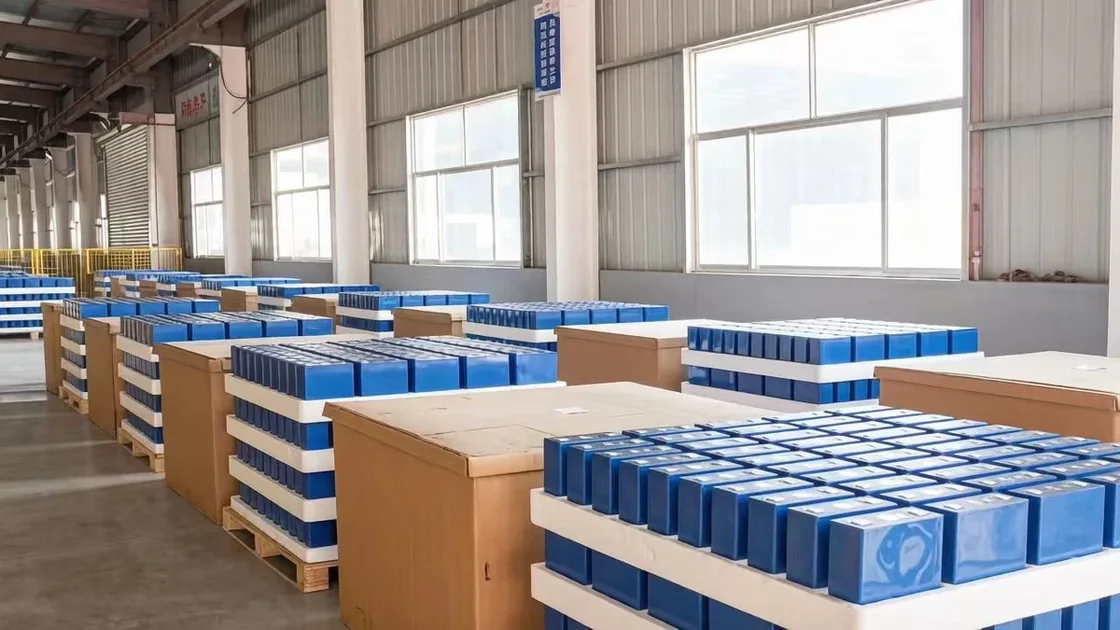
The company’s battery pack work covers system integration, mechanical design and battery management. Its manufacturing materials describe incoming inspections, checks during assembly, finished-product aging and charge-discharge testing. These stages create several points for reviewing the battery before delivery. For a project inquiry, the team can discuss the product model, enclosure, communication requirements and the documents relevant to the intended configuration. A sample review can also help the partner assess the equipment, installation context and fit for its planned application.
UJASTOR’s residential and commercial storage business prioritizes Europe, Southeast Asia and the Middle East. These markets include a mix of established solar projects, backup requirements and off-grid sites. Installation practices, documentation and customer expectations can vary by market, so the team begins by asking where the equipment will be used and who will specify, install and support it. The details of a particular project help guide conversations about configuration, documentation and technical support.
Ways to work with UJASTOR
The company works with installation firms, distributors, retailers and brand partners. For private label, the discussion may cover the brand mark, cabinet finish and packaging. For engineering-led customization, the team can review requested capacity, output power, communications and enclosure requirements. A distribution conversation can begin with the market, customer profile, models to evaluate and plans for local support. Partners can discuss samples and a review process before deciding how to proceed with a larger order.
In addition to residential storage, the company profile describes commercial and industrial energy storage, portable power supplies and battery packs for telecom backup, low-speed vehicles, forklifts and other equipment. The online residential catalog currently presents models with available specifications. Partners who are evaluating another category can describe the application, intended market and electrical requirements when contacting the team, so the inquiry can be directed to the appropriate product discussion.
For a useful first conversation, UJASTOR asks partners to share their role, market, planned application and approximate volume. Technical teams can add the inverter or PV equipment under consideration, expected loads and available site information. Brand partners can include packaging and customization goals. These details give both sides a starting point for reviewing the product, agreeing what should be evaluated and deciding whether a sample or a more detailed technical discussion is the next step.
