

System technology
From source to storage to home.
Follow the flow of energy through a residential all-in-one example, from charging inputs to selected household loads.
System overview
A closer look at the system.
 All-in-one storage
Charging, storage and loads
Review the proposed sources and circuits with the installation partner.
Review the PV array and inverter input range.
Discuss the source configuration and control requirements.
Use the circuit list and demand information during review.

Battery management
What to check before specifying.
Identify whether the project needs a separate inverter or an integrated unit.
Confirm the exact equipment and the required communication protocol.
Review the model, wiring plan and controls for any proposed expansion.
Technical questions
Planning and integration.
How is the all-in-one different?
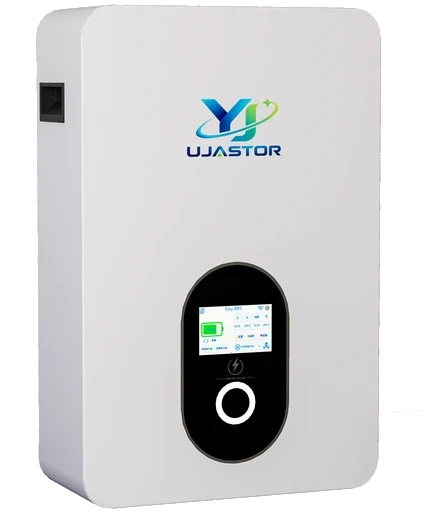
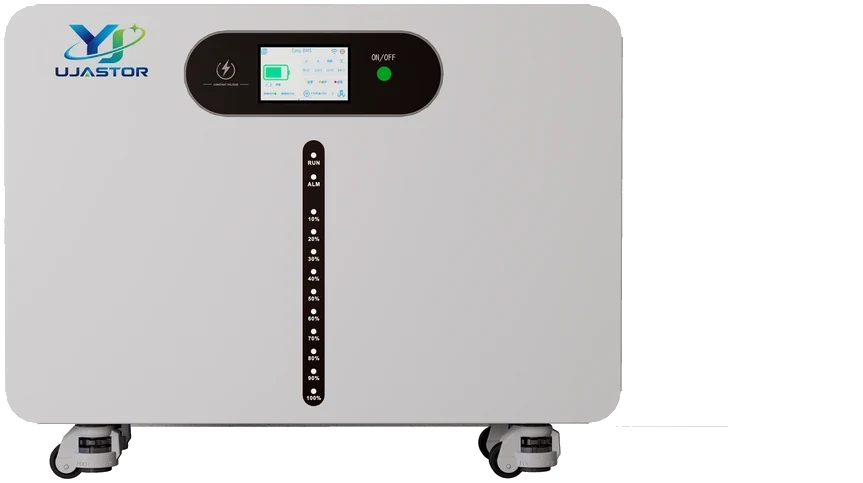
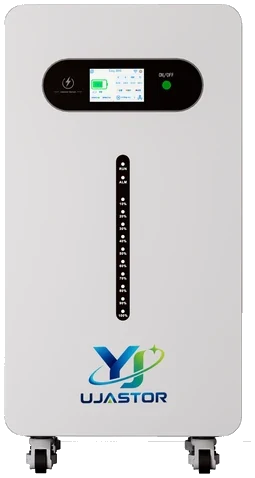
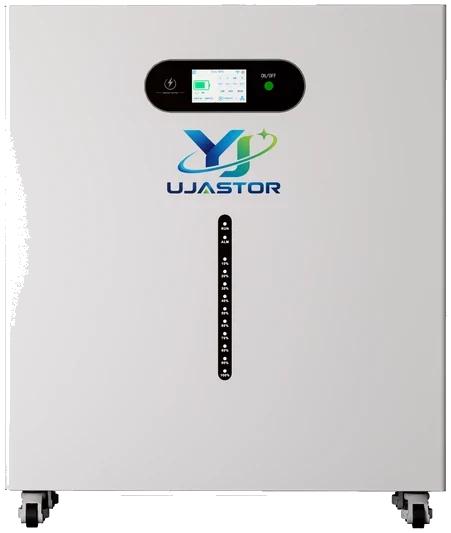
It combines the 16.07 kWh battery and 6.2 kW inverter in one enclosure. The stand-alone battery cabinet is specified with a separate inverter.
Where can I check inverter compatibility?
Send the exact inverter model and firmware information through Installer Support for review.
Can I use the system illustration for installation?
Use the illustration to discuss system architecture. Obtain the documentation for the specified configuration before installation.